Jake Shimabukuroukulele virtuoso
Born and raised right here in Honolulu, Jake Shimabukuro is a world-renowned virtuoso who constantly redefines the ukulele. Despite his global fame, our hometown hero remains deeply connected to this community.


A unique immersive theatrical experience bringing the history of the Honouliuli Internment Camp to life through a powerful fusion of dance, music, and poetry. The performance will illuminate the experiences, resilience, and humanity of those who were incarcerated —offering audiences an unforgettable and deeply moving journey into this important chapter of history.
Proceeds from this event will support the educational and preservation programs at Honouliuli National Historic Site.
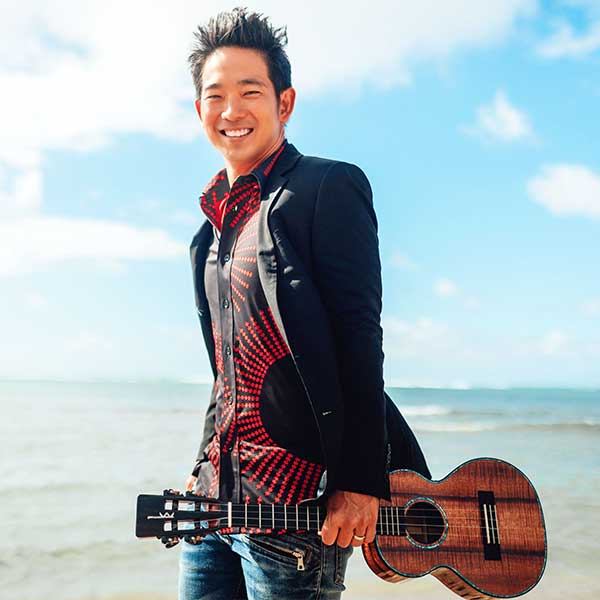
Born and raised right here in Honolulu, Jake Shimabukuro is a world-renowned virtuoso who constantly redefines the ukulele. Despite his global fame, our hometown hero remains deeply connected to this community.
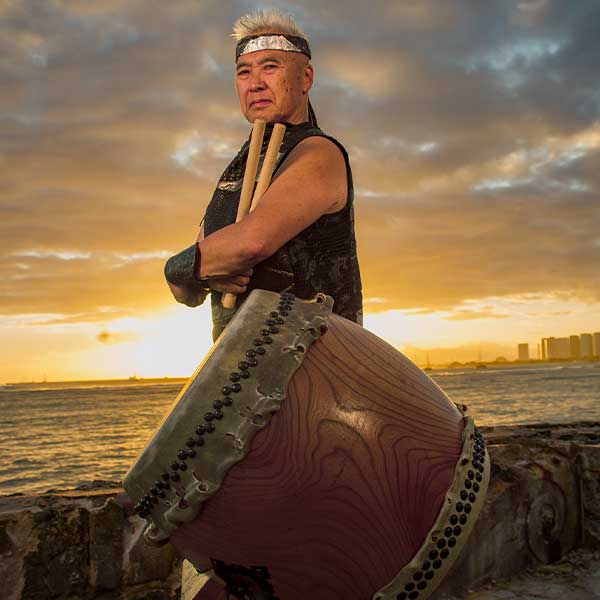
Kenny Endo stands at the vanguard of contemporary taiko, re-defining traditional Japanese drumming through bold innovation and global collaboration. A master performer, composer, and educator, Endo blends classical Japanese forms with jazz, world music, and improvisation— crafting original works that bridge cultures and resonates to audiences across generations.
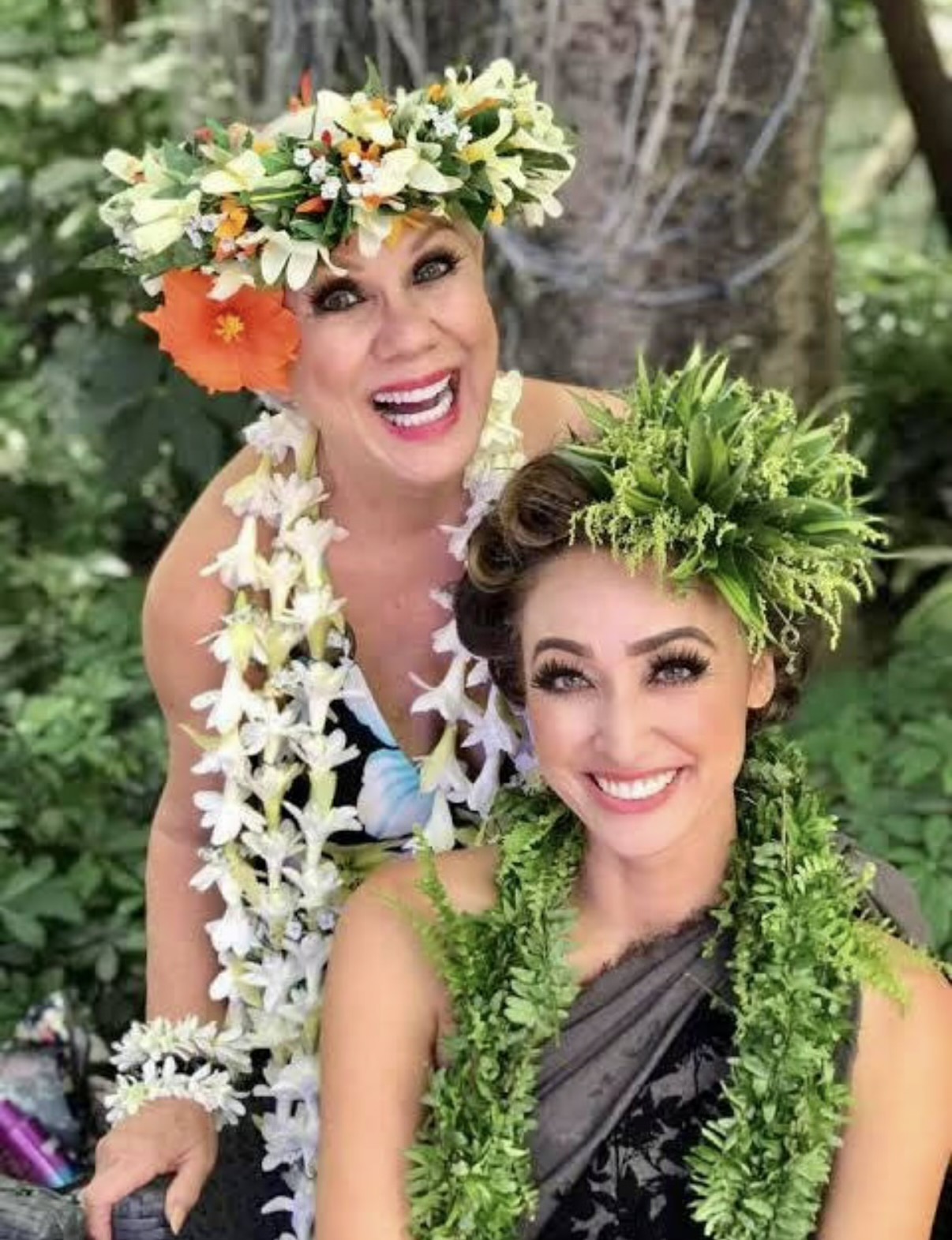
Founded in March 2015 in Honouliuli, ʻEwa, Oʻahu, Hui ʻIwa Academy was established under the direction of Kumu Hula Iwalani Wahinekapu Tseu, a native of Honouliuli, together with her daughters, Nā Kumu Hula Tatiana Tseu Fox and Aureana Tseu. Rooted in the sacred lineage of hula, HIA carries forward the traditions of kahiko, ancient hula, and ʻauana, modern hula, while sharing the language, history, and manaʻo behind every oli, pule, mele, and hula. Its Hawaiʻi school, Nā Lei O Ka ʻIwa Haʻa I Ka Lani, and Japan school, Nā ʻĒheu O Ka ʻIwa Haʻa I Ka Lani, continue this lineage across Hawaiʻi, Japan, and beyond. For this event, students from the Japan school will perform, offering their hula in reflection on the history and legacy of Honouliuli.
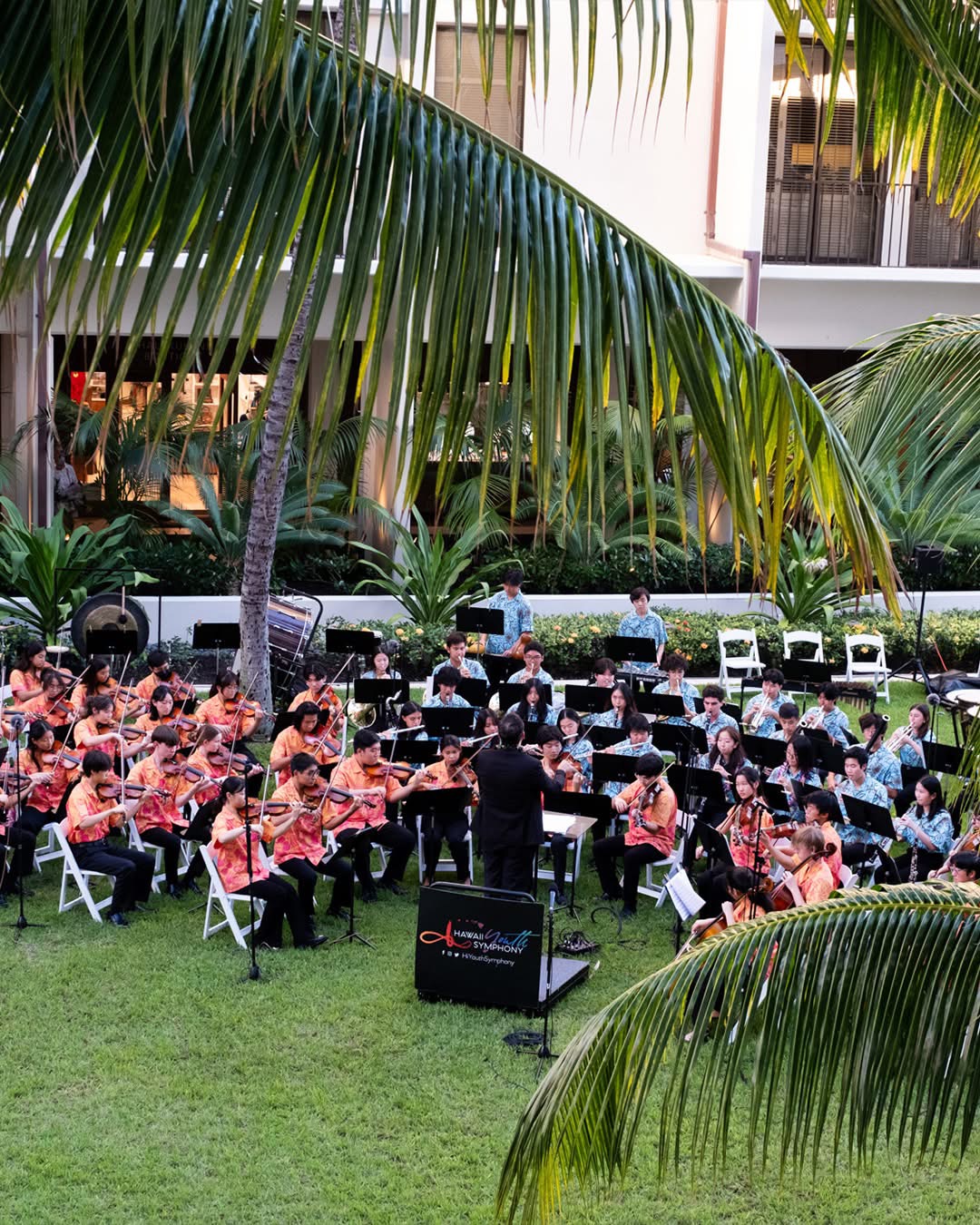
With a mission to foster fun and creative experiences that inspire a deep appreciation for music and lifelong relationships within the culture of our islands, Hawaiʻi Youth Symphony annually serves more than 700 students ages 7-18, brought together from over 100 public, independent, and home schools statewide. Established as a non-profit organization in 1964, HYS provides enriching opportunities for orchestral music education, performances, and community engagement. HYS envisions a Hawaiʻi where music is a right, where every child can access, learn, and grow through the opportunity to make music.
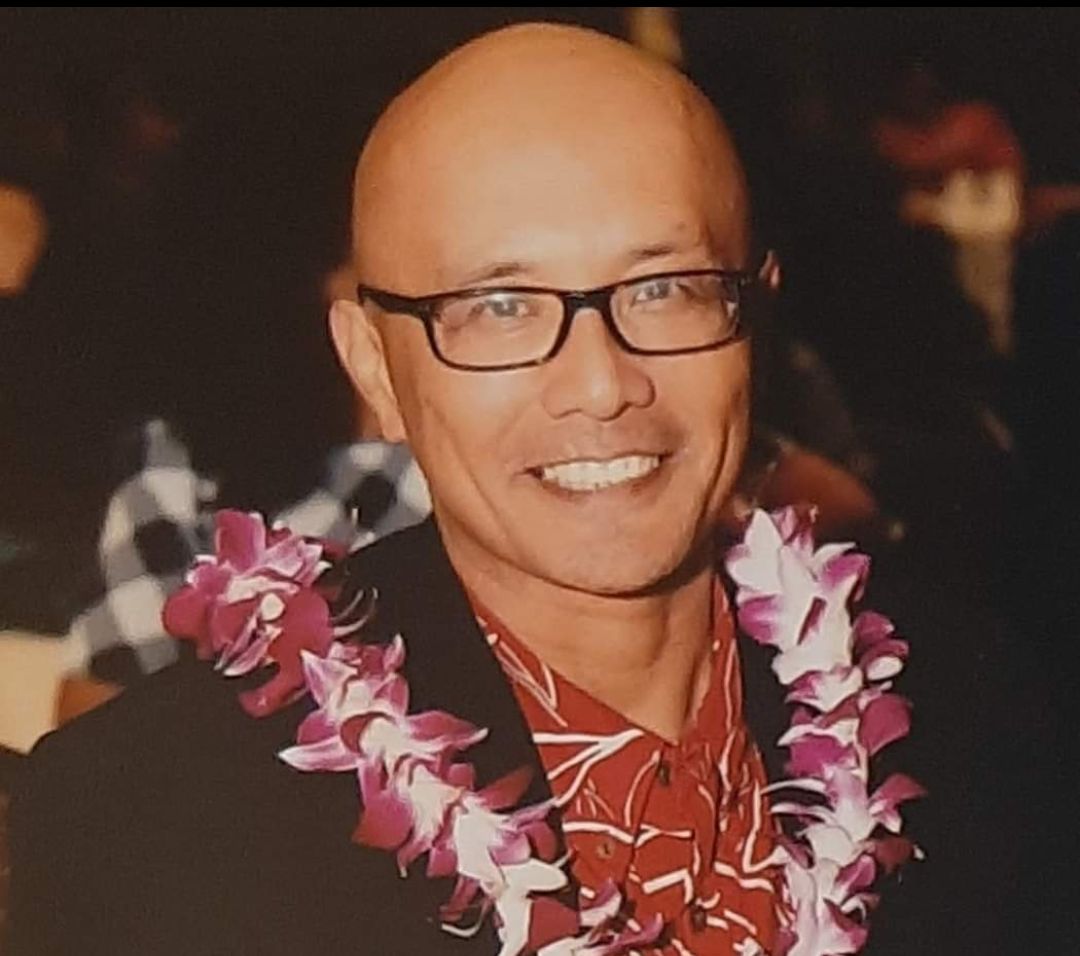
Writing has always been a creative outlet for Will Espero since his early school days. He has written two novels and two poetry books to share his work. His poem - Never Again, Never Forget - is showcased in his award winning poetry book, BE, which is available at book buying platforms. Will Espero was inspired to write his poem after his first visit to the Honouliuli Internment Camp location.
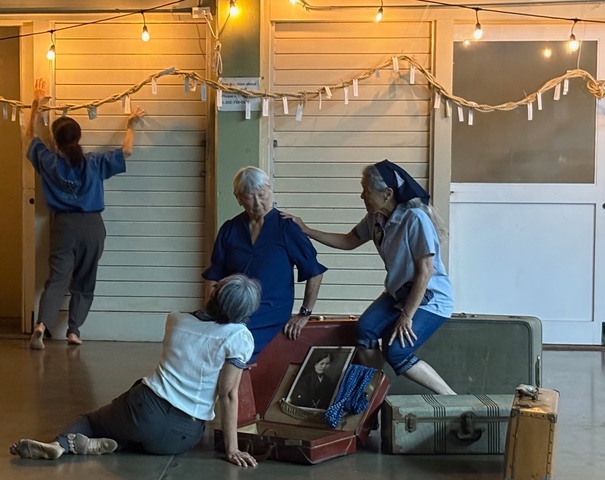
Jill Togawa’s Purple Moon is a multidisciplinary performance project that brings visibility to the memories and voices of communities whose stories have too often gone untold, including Japanese Americans, AAPI communities, women, queer communities, and people of color. At this Honouliuli event, Purple Moon will share the memories of those who were silenced during wartime and the stories passed down through families and communities. Through movement and performance, their work connects the past with the present, creating a meaningful space for remembrance, healing, and dialogue.
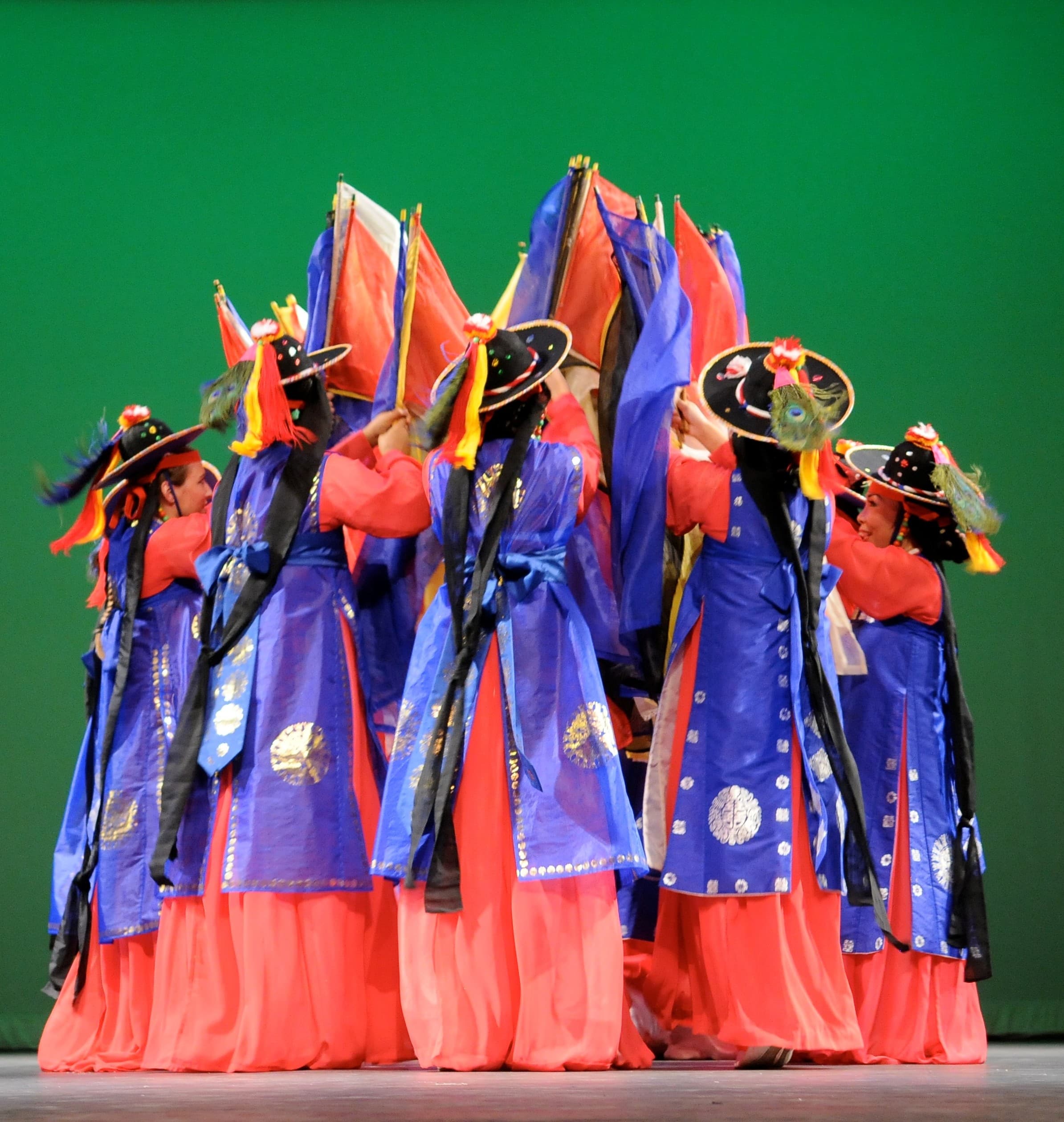
Halla Huhm Korean Dance Studio is the oldest Korean dance studio in Honolulu, dedicated to sharing traditional Korean dance with people of all ages. Under the direction of Mary Jo Freshley, the studio continues the legacy of Halla Huhm through performances at festivals, multicultural programs, community events, and special occasions across Hawaiʻi.
As the granddaughter of Shigeki Fujimoto, who was incarcerated at Sand Island and Honouliuli, Sharon Fujimoto-Johnson has long sought to better understand her grandfather's story. Sharon inherited the shells her grandfather had collected during his incarceration and her newest children's book, SHELL SONG, shares the story his shells carried across generations.
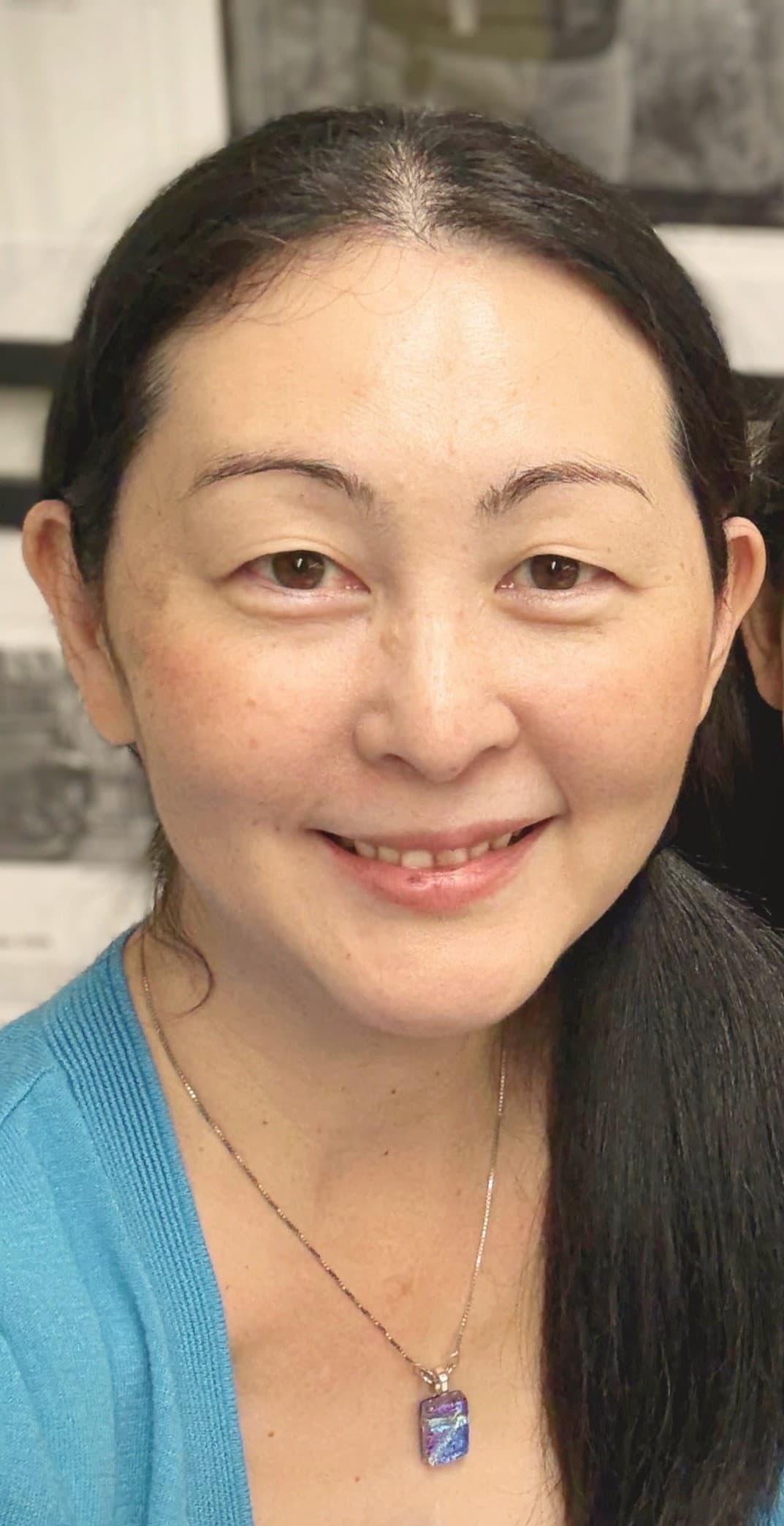
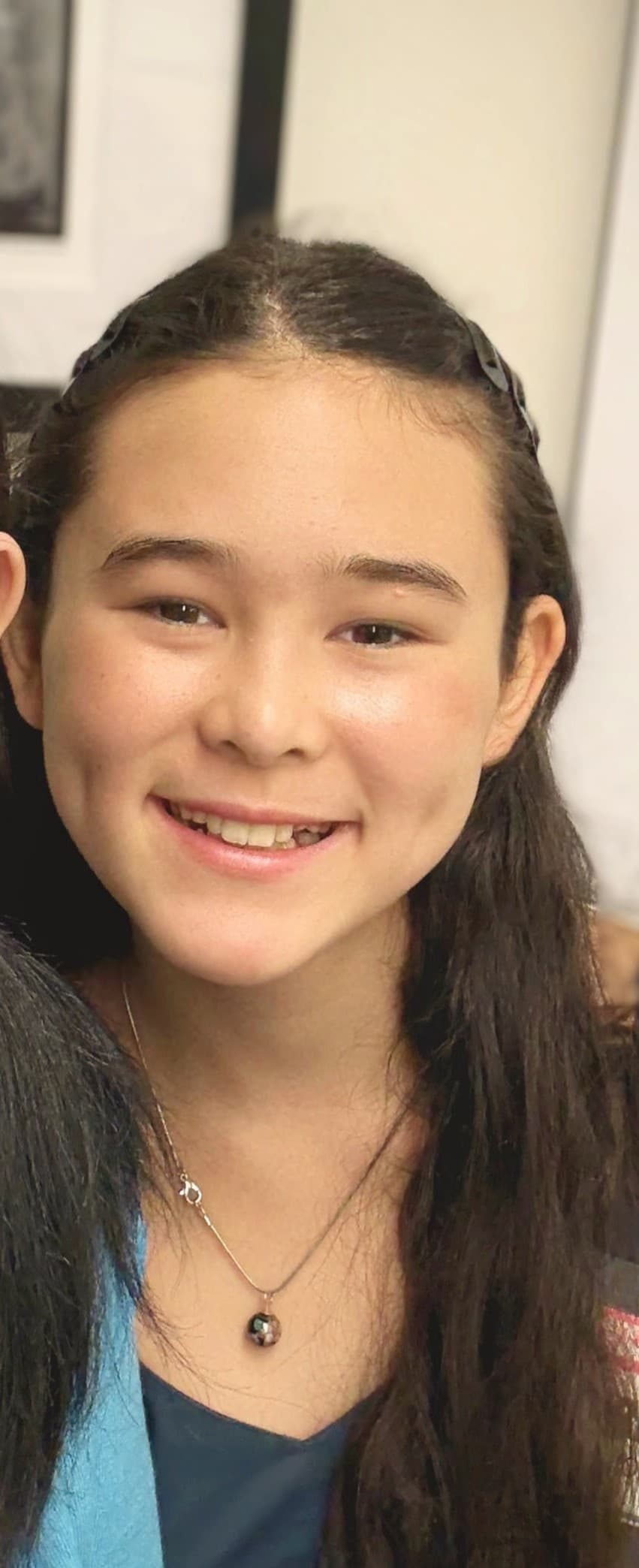
Lauren Fujimoto-Johnson is the great granddaughter of Shigeki Fujimoto, she has participated in two public poetry readings in California and Hawai’i. One of her poems was featured in an exhibit titled “Kaho: Heirloom,” designed by her mother, Sharon Fujimoto-Johnson, at the Japanese American Museum of San Jose. Lauren is 12 years old.

1130 BETHEL STREET,
HONOLULU, HI., 96813
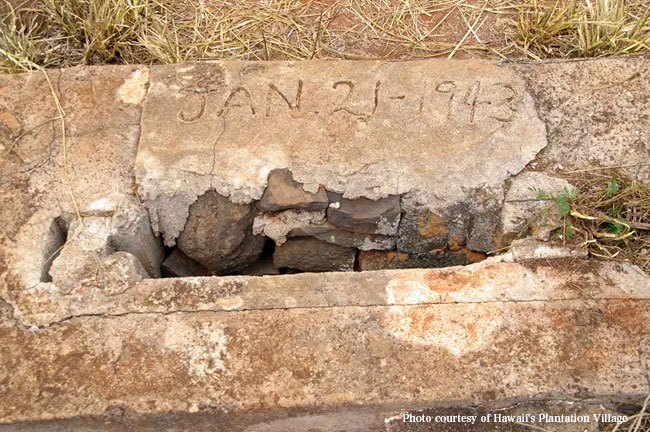
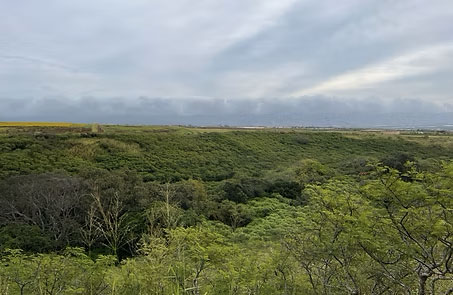
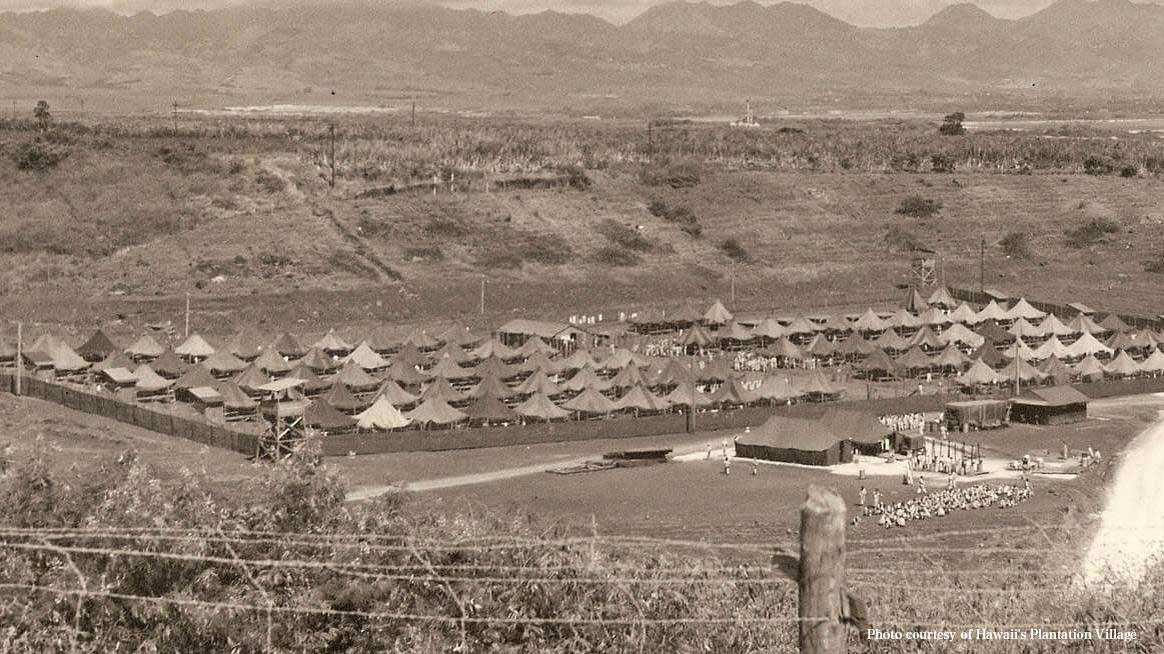
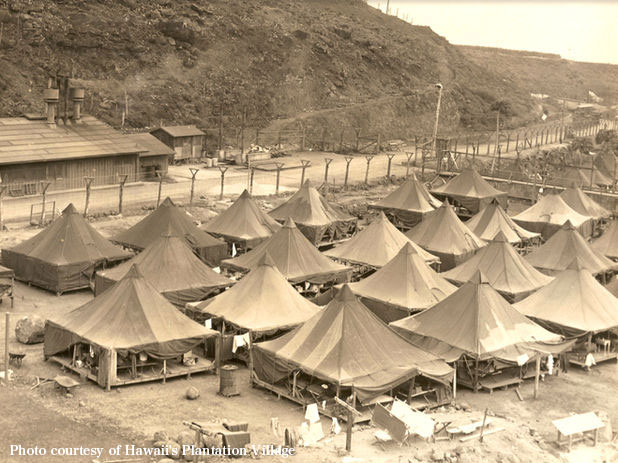
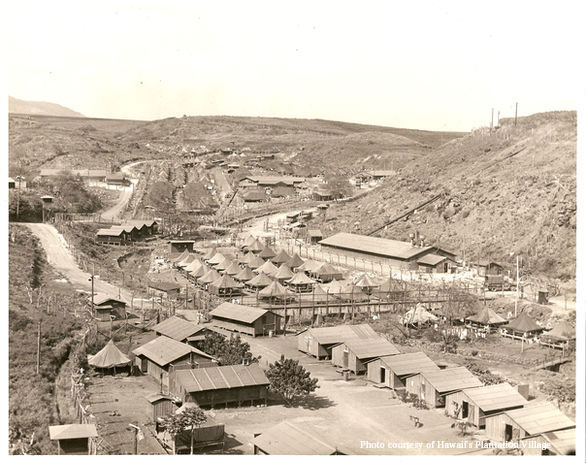
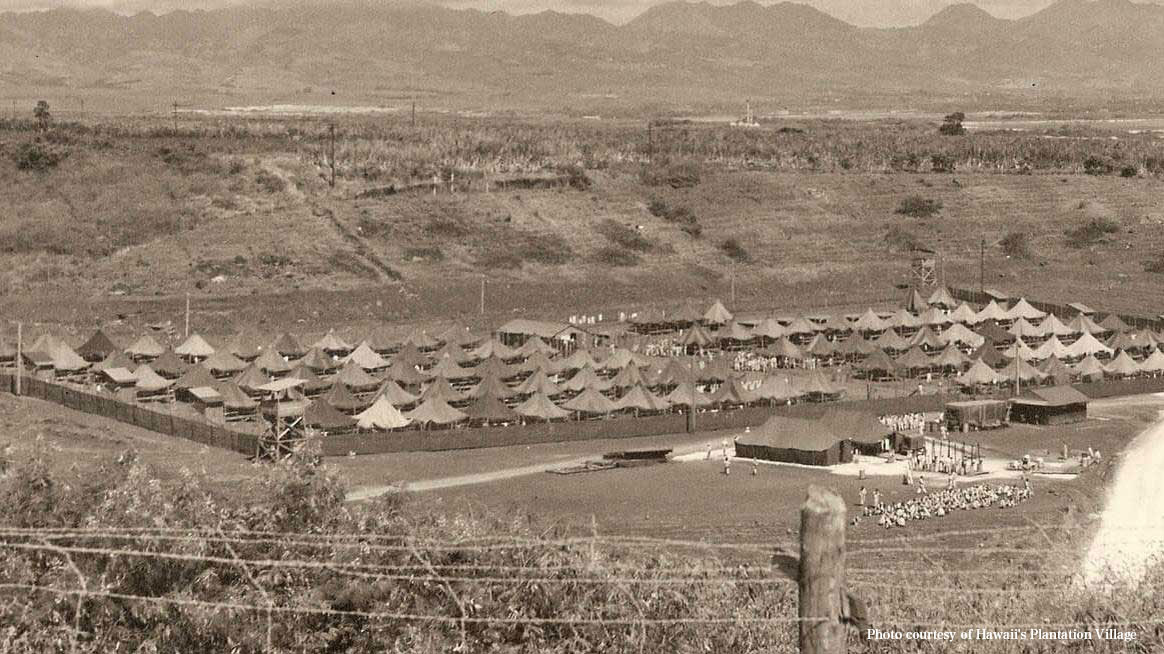
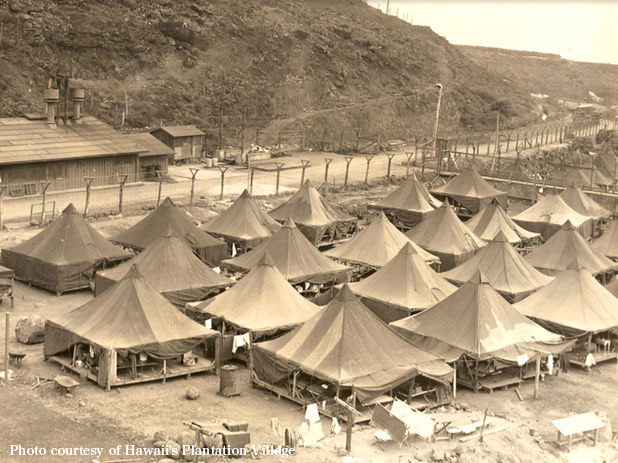
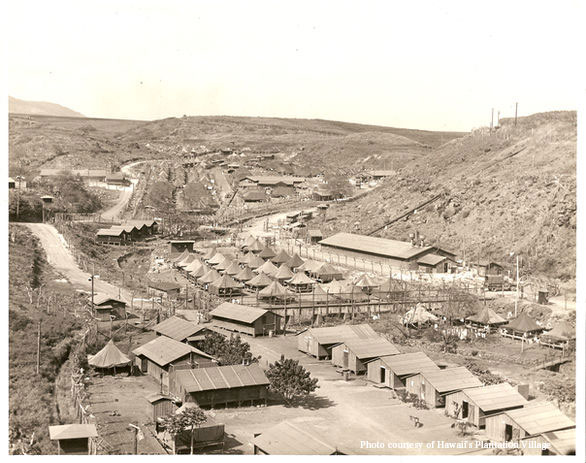
Established in 2015 as a unit of the National Park Service, Honouliuli National Historic Site preserves and shares the history of civilian internment and detention in Hawaiʻi during World War II, and the impacts of war and martial law on society in the Hawaiian Islands.
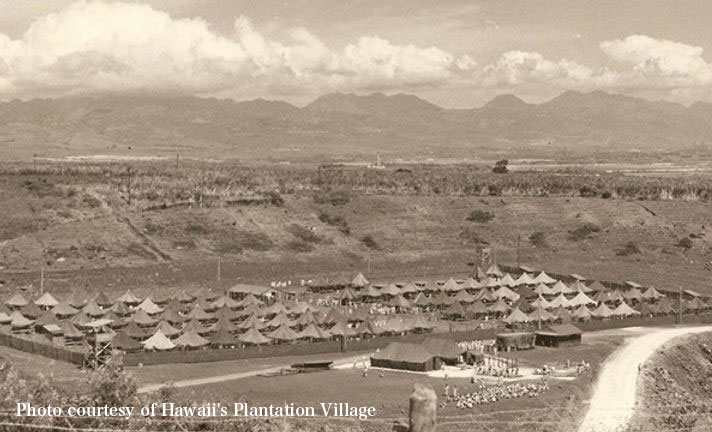
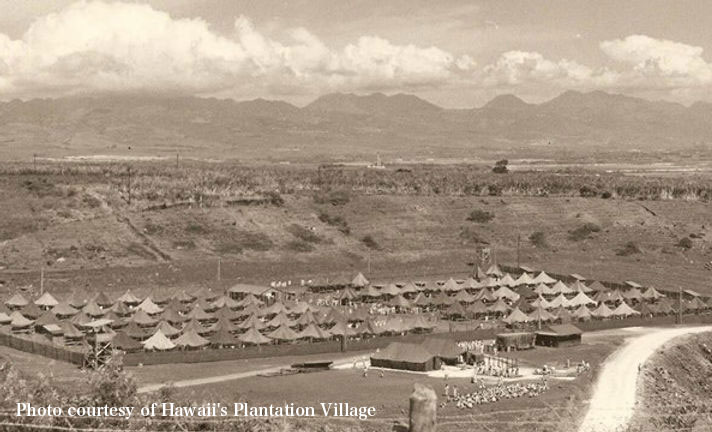
Located in the Honouliuli ahupuaʻa, the camp opened in 1943 and closed in 1946. It was the largest and longest-used incarceration site in Hawaiʻi, where more than 400 civilians and residents of Japanese and European ancestry, along with over 4,000 prisoners of war from Okinawa, Korea, Japan, Italy, Taiwan, and the Philippines, were held.
To learn more about the park and this history, please visit the official park website.
Help preserve the stories of Honouliuli for future generations. Your donation supports Honouliuli National Historic Site's ongoing education and preservation programs, ensuring this important history continues to be remembered and shared.
Support education and preservation programs by purchasing official Honouliuli merchandise from Pacific Historic Parks.